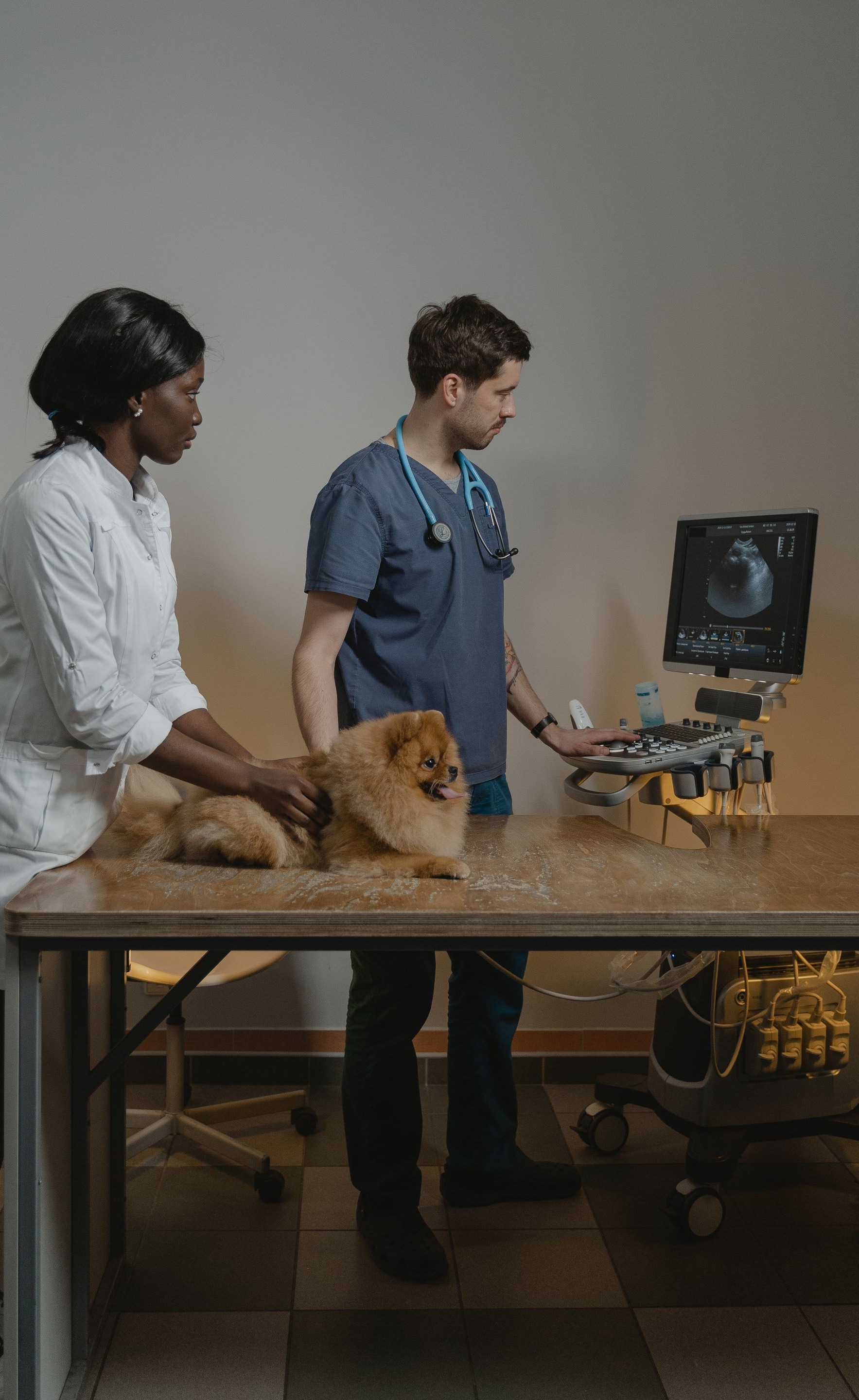
The American pet industry hit $150 billion in 2025, and veterinary care is its fastest-growing segment — up roughly 7% annually for a decade. But unlike almost every other consumer market, veterinary pricing remains stubbornly opaque. You don't know what the dental cleaning costs until you're at the counter. You don't know what the ACL surgery runs until your dog is limping.
Here's what common procedures actually cost in 2026, based on national survey data and practice pricing.
Annual wellness exam: $50–$80. The baseline. Includes physical examination; vaccines and bloodwork are additional.
Spay (dog): $200–$500 at a private practice; $75–$200 at a low-cost clinic. Price varies enormously by dog size (a 90-pound spay is a different surgery than a 15-pound spay) and geography.
Neuter (dog): $150–$400 private practice; $60–$150 low-cost. Same size and geography variables.
Spay/neuter (cat): $100–$300. Less variable than dogs — cats are cats.
Core vaccinations (annual): $75–$150 for the full DHPP + rabies + bordetella series. Puppy/kitten initial series (multiple visits): $200–$400 total.
Dental cleaning (with anesthesia): $500–$1,200. The wide range reflects anesthesia time, pre-anesthetic bloodwork ($100–$200), and extractions. Each extracted tooth adds $50–$200. A "simple" cleaning that reveals advanced dental disease can easily reach $2,000+.
X-rays (2 views): $150–$350. Digital radiography is now standard; the cost is in interpretation and positioning, not film.
Ultrasound: $300–$600. Abdominal ultrasound is the workhorse diagnostic — worth every penny when it avoids exploratory surgery.
Bloodwork (comprehensive panel): $150–$300. Senior wellness panels with thyroid run higher.
MRI: $2,000–$3,500. Usually referral-only, requires general anesthesia. The single most expensive common diagnostic.
CT scan: $1,500–$2,500. Increasingly available in specialty practices.
ACL/CCL repair (TPLO): $3,500–$5,500 per knee. The most common major orthopedic surgery in dogs. Bilateral (both knees) is common — budget $7,000–$10,000 if both go.
Foreign body removal (intestinal): $2,000–$5,000. Depends on whether it's endoscopic retrieval ($2,000) or full abdominal surgery ($5,000). The $3 sock your Labrador ate just became a very expensive sock.
Mass removal (benign): $500–$1,500 depending on size and location. With biopsy and histopathology: add $200–$400.
Emergency GDV/bloat surgery: $3,000–$7,000. Time-critical, after-hours, high-stakes. The emergency premium is real — the same surgery scheduled would cost 30–40% less.
Fracture repair: $2,000–$5,000 depending on complexity. Plating a simple fracture versus reconstructing a comminuted one are different operations with different prices.
Emergency exam fee: $150–$300 (on top of treatment). The exam fee alone at 2 AM exceeds what a daytime wellness visit costs.
Overnight hospitalization: $500–$1,500/night depending on level of monitoring. ICU-level care with continuous monitoring runs higher.
Oncology consultation: $200–$400 initial. Chemotherapy protocols: $3,000–$10,000 for a full course. Radiation therapy: $5,000–$12,000.
Three variables drive most of the variation:
"The most expensive vet bill is the one you didn't expect. The second most expensive is the one you didn't understand." Ask for written estimates. Every reputable practice provides them. If yours won't, find another practice.
Veterinary care is expensive because it's real medicine — same diagnostics, same anesthesia, same surgical standards as human medicine, without the insurance infrastructure that hides human healthcare costs. Understanding the price ranges doesn't make the bills smaller, but it makes them predictable. And predictable is the difference between a financial shock and a financial plan.
Fixed price. Clean transfer through Escrow.com. Confidential inquiry.

Two quotes for the same knee surgery, $2,400 apart. How consolidation, cost structures, and an opacity gap turned veterinary pricing into the wild west of consumer markets.
Read →
Premiums, deductibles, exclusions, and expected-value math — when insurance wins, when self-insuring beats it, and how to decide with eyes open.
Read →