
A friend with a Labrador got two quotes for a TPLO (knee surgery): $3,800 at one clinic, $6,200 at another, twelve miles apart. Same surgery. Same breed. Same diagnosis. A $2,400 difference — 63% more — for reasons neither clinic could clearly explain.
This isn't unusual. It's the norm. Veterinary pricing varies more than almost any consumer service, and the reasons reveal a profession in the middle of a structural transformation.
The single biggest driver of pricing variation is invisible to most pet owners: who owns the clinic.
Corporate consolidation has reshaped veterinary medicine. Mars, Inc. — yes, the candy company — is now the largest owner of veterinary practices in America through its Veterinary Health division (Banfield, BluePearl, VCA). JAB Holdings owns Compassion-First and National Veterinary Associates. Together, corporate entities own an estimated 25–30% of US practices, up from under 10% a decade ago.
Corporate practices price differently:
Independent practices, meanwhile, price based on their own costs, philosophy, and local market — producing enormous variation. A rural independent might charge $400 for a dental cleaning that runs $1,100 at an urban corporate practice.
Neither model is inherently better or worse for the pet. But the pricing logic is completely different, and pet owners navigating between them encounter whiplash.
Unlike human medicine — where insurance negotiates (or dictates) prices behind the scenes — veterinary medicine is mostly cash-pay. This means prices reflect actual costs plus margin, and costs vary enormously:
Real estate. A vet clinic in San Francisco pays 5x the rent of one in Des Moines. That flows directly to the invoice. There's no insurance company absorbing the geographic differential.
Staffing. The veterinary profession faces a severe staffing shortage — veterinarians, technicians, and support staff. Urban practices competing for talent pay more and charge more. The AVMA reports that associate veterinarian salaries rose 15% between 2020 and 2024; those increases are in your bill.
Equipment. A digital X-ray system costs $50,000–$100,000. An ultrasound machine: $30,000–$80,000. In-house lab equipment: $40,000+. Practices that invest in advanced diagnostics charge more — and, to be fair, can diagnose more accurately.
The emergency premium. Emergency and specialty hospitals operate 24/7 with board-certified specialists. Their cost structure is fundamentally different from daytime general practice. A $250 emergency exam fee isn't gouging — it's the cost of having a surgeon available at 3 AM.
Here's the core problem: in most markets, you can't compare prices without calling each clinic individually. There's no Kelley Blue Book for vet procedures. No mandated price posting (though some states are considering it). The result is a market where:
This opacity benefits no one except the highest-priced providers. In every other market, transparency drives prices toward efficiency. Veterinary medicine's resistance to it — partly cultural (vets are uncomfortable discussing money), partly structural (no centralized pricing data) — keeps prices scattered.
Get written estimates. Always. For anything beyond routine wellness. A reputable practice provides this without hesitation.
Ask what's included. The $800 quote and the $1,200 quote may include different things. Anesthesia monitoring, pain management, take-home medications, recheck visits — clarify before comparing.
Consider the total picture, not just the procedure price. The cheapest surgery quote from a practice with poor follow-up care isn't the best deal. Complications cost more than the initial savings.
Build a relationship before the emergency. Establishing care with a trusted general practice vet gives you a quarterback for referrals, second opinions, and cost guidance. The worst time to find a vet is during a crisis.
"The veterinary pricing problem isn't that vets charge too much — it's that pet owners can't tell what's fair. In any market, the inability to compare prices is a tax on the uninformed."
Vet bill variation reflects real differences in costs, ownership models, and service levels — but the lack of transparency makes it impossible for pet owners to distinguish justified variation from opportunistic pricing. Until the profession embraces price transparency, the burden falls on pet owners to ask hard questions. Ask them.
Fixed price. Clean transfer through Escrow.com. Confidential inquiry.
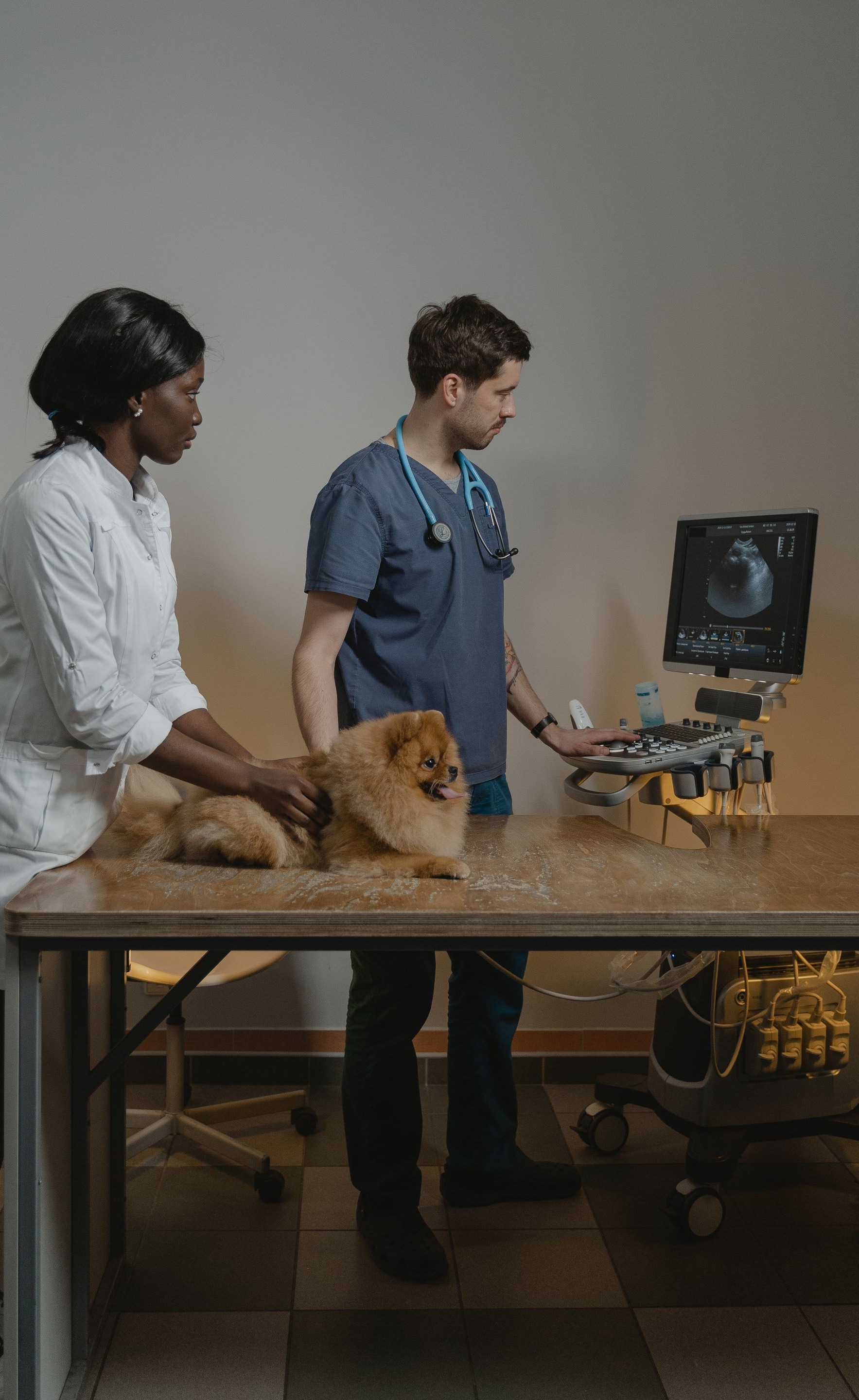
Spay/neuter, dental cleaning, TPLO surgery, emergency care — the real 2026 price ranges for twenty common procedures, and the three variables that make the ranges so wide.
Read →
Premiums, deductibles, exclusions, and expected-value math — when insurance wins, when self-insuring beats it, and how to decide with eyes open.
Read →